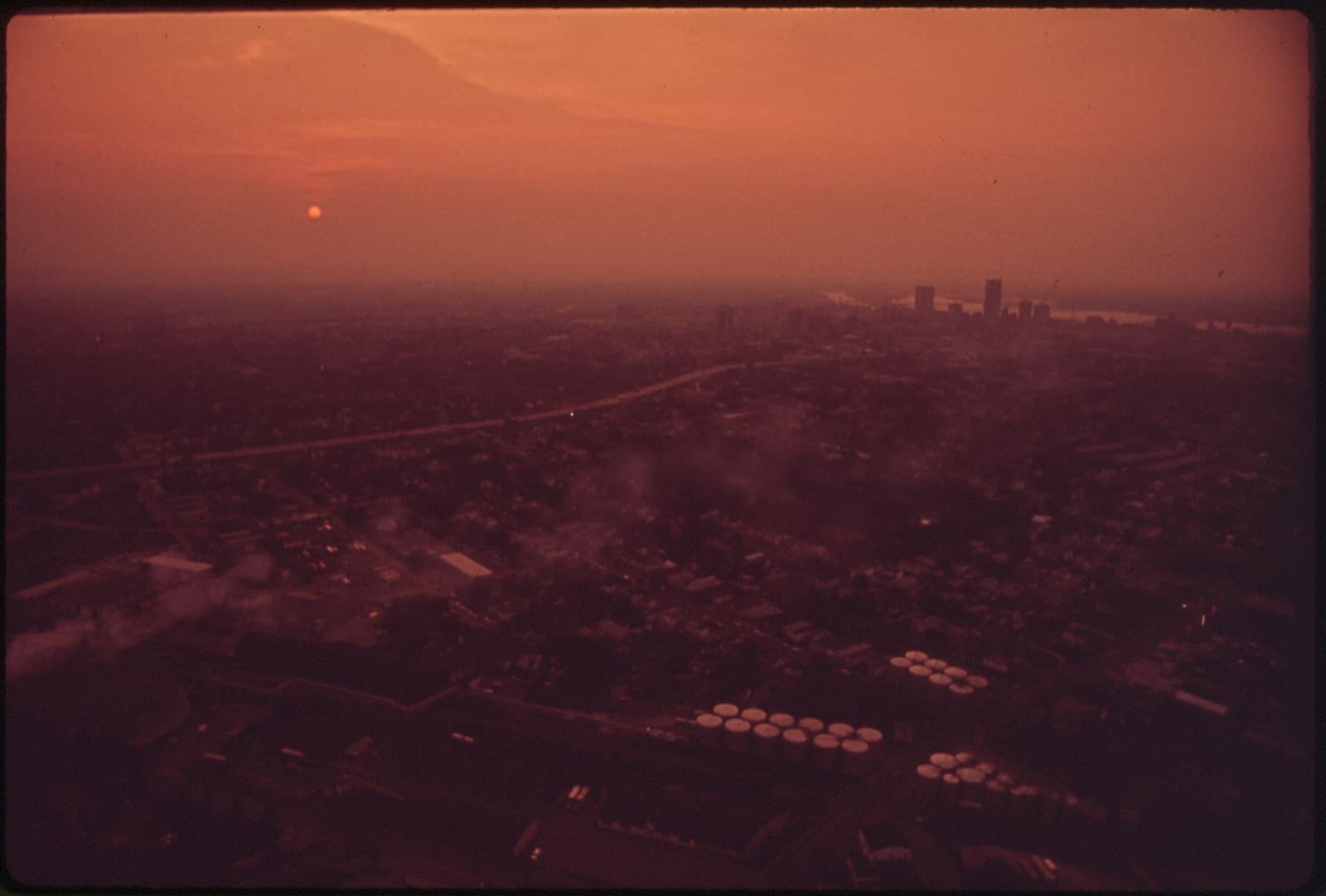
Smog and other air pollution can irritate the airways and worsen cough, wheezing or shortness of breath. Children, older adults, pregnant people and people with heart or lung conditions may be more vulnerable to polluted air.
Quick answers
- How can smog affect breathing?
- Polluted air can irritate airways and worsen cough, wheezing, chest tightness or breathlessness, especially for people with existing heart or lung conditions.
- What can I do on a high-pollution day?
- Check local air-quality guidance, reduce strenuous outdoor activity when pollution is high, and follow any personal asthma or lung-care plan.
- When is breathing difficulty an emergency?
- Severe breathlessness, blue or grey lips, confusion, or inability to speak normally because of breathing difficulty needs emergency help.
Notice symptoms and your usual pattern
A sore throat, cough, chest tightness, wheeze or breathlessness may become worse on polluted days. If you have asthma or another lung condition, follow the personal action plan provided by your clinician. Do not borrow someone else’s inhaler or change prescribed treatment without advice.
Reduce exposure when air quality is poor
- Check local air-quality and public-health updates where available.
- Consider reducing strenuous outdoor activity when pollution is high, especially for children and people with lung or heart conditions.
- Keep windows closed during the worst outdoor pollution if indoor air is cleaner; ventilate when conditions improve.
- Avoid adding indoor smoke from tobacco, cooking or burning where possible.
- If you use a face covering, remember that it does not replace medical care or a clinician’s asthma plan.
Get medical help for worsening breathing
Contact a healthcare professional if cough or wheeze is persistent, recurring or interfering with sleep and everyday activity. Severe breathlessness, blue or grey lips, confusion or inability to speak normally because of breathing difficulty needs emergency help.
What people mean by smog
Smog is a mix of air pollutants that can build up over a city or region. It may include fine particles and gases from traffic, industry, burning and other sources. The smallest particles can travel deep into the lungs, and air pollution is linked with respiratory and cardiovascular health effects.
A hazy view can be a sign of poor conditions, but visibility alone cannot tell you the level of pollution or whether the air is safe for a particular person.
Air quality can change by neighbourhood, time of day, weather and season. People in Pakistan may encounter traffic pollution, dust, smoke or seasonal haze, sometimes at the same time. You cannot control every source, and personal steps do not solve the wider pollution problem.
The practical aim is to reduce avoidable exposure when conditions are poor, protect people with existing health risks and follow local public-health advice without becoming alarmed by every smell or cloudy day.
How polluted air can affect the body
Short-term exposure can irritate the eyes, nose and throat or make cough, wheeze, chest tightness and breathlessness worse. People who already have asthma, chronic lung disease, heart disease or another long-term condition may notice symptoms sooner. Children, older adults and pregnant people are also among groups who may be more vulnerable.
Repeated exposure over time is associated with broader health effects, which is why reducing emissions and improving air quality matters for communities.
A cough or headache on a smoggy day does not prove that pollution is the only cause. Infection, allergies, asthma, smoke indoors and other problems can look similar. Notice the pattern: when the symptom starts, whether it improves indoors, whether there is fever, and whether prescribed inhalers or medicines help as directed.
Seek clinical advice for recurring or worsening symptoms instead of assuming every episode is ‘just smog.’
Check conditions and plan your day
If reliable local air-quality information or an official alert is available, use it as one part of planning. Check the time and location covered by the report; an index for another city or an earlier hour may not reflect your street.
Low-cost sensors and phone apps can differ in accuracy, so look for trusted public-health or environmental sources where possible. If there is no dependable reading, use visible smoke, strong odours, official notices and your own symptoms as reasons to take sensible precautions.
On a high-pollution day, consider moving strenuous outdoor activity to a cleaner time or a less polluted place, particularly for a child or someone with a lung or heart condition. A shorter, gentler activity may be a reasonable alternative if symptoms are controlled and the person feels well.
Schools, employers and caregivers can plan indoor options when outdoor exposure is avoidable. Do not force exercise through chest tightness or unusual shortness of breath; stop and follow the person’s medical plan.
Reduce exposure when you need to go outside
If you must travel during poor air quality, consider these practical steps:
Some people find a respirator uncomfortable, especially during exertion or in hot weather. If you have a heart or lung condition, ask your clinician whether using one is suitable and how to recognize worsening symptoms. Never let a mask delay urgent care.
Wash hands and face after heavy exposure if it helps remove deposited dust, and change clothing if it is visibly dusty. These steps can improve comfort, but they do not remove the need for medicines or professional care when symptoms are significant.
- Choose a route away from heavy traffic or visible smoke where practical, and spend less time waiting beside busy roads.
- Keep children close and choose indoor play during the worst conditions if a cleaner indoor space is available.
- A well-fitting particulate respirator may reduce particle exposure for some people; a loose cloth covering is not equivalent protection.
- Follow your personal medical plan and stop activity if chest tightness or unusual breathlessness develops.
Make indoor air a little cleaner
Indoors is not automatically free from pollution. Common sources to reduce where practical include:
When outdoor air is worse than indoor air, closing windows for a limited period may reduce incoming pollution, but rooms still need safe ventilation and cooking fumes must not accumulate. Open windows when outdoor conditions improve.
If you use an air cleaner, a correctly sized HEPA filter can reduce particles in a room, though it does not remove every gas or replace source control. Avoid devices that intentionally produce ozone.
Keep filters maintained according to the manufacturer and consider cost, room size, noise and electricity access before buying equipment.
- Tobacco smoke and incense
- Cooking fumes and kerosene smoke
- Burning rubbish or using an unvented fuel-burning appliance indoors
- Dust and other visible indoor smoke
If you have asthma or another lung condition
Keep your prescribed medicines available and follow the action plan made with your clinician. Check expiry dates and make sure you know which inhaler is for regular use and which is for relief, if both are prescribed.
Do not borrow another person’s inhaler, change the dose or stop a controller medicine because the air looks clear. Pollution can be one trigger among several, and a clinician may help you identify patterns and adjust the plan safely.
If you use an inhaler with a spacer, ask a healthcare professional to check your technique; using a device incorrectly may reduce how much medicine reaches the lungs. Keep a note of symptoms, night waking, reliever use and days when pollution was high.
Repeated need for relief medicine, worsening cough, or symptoms interfering with sleep or ordinary activities should prompt a clinical review. Follow any individualized asthma plan for urgent symptoms rather than waiting for air-quality data to change.
Protecting children, older adults and pregnant people
Children breathe more air relative to their body size and spend time playing outdoors, so caregivers may need to adjust outdoor plans when pollution is severe. Keep prescribed asthma medicines and instructions accessible at school and home, with the family’s consent and in line with school policy.
Encourage indoor play during the worst periods, but choose a room without tobacco smoke, cooking fumes or other indoor pollution. Avoid making children exercise hard if they are coughing or wheezing.
Older adults and people with heart or lung disease may need help getting medicines, groceries or transport on poor-air days. Pregnant people who develop new or worsening breathlessness should seek clinical advice rather than attributing it automatically to smog. Ask the care team for a personal plan if someone has repeated flare-ups.
Check on relatives who live alone, especially when heat and pollution occur together, because they may have difficulty keeping indoor spaces comfortable and ventilated safely.
Symptoms that need medical assessment
Arrange a healthcare review if any of these symptoms persist, return frequently or interfere with daily life. Bring your medicines and note when symptoms occur. A clinician can assess possible causes and decide whether testing or a treatment change is appropriate. Do not start antibiotics or oral steroids from a leftover prescription.
Use the person’s prescribed emergency plan if they have one, and contact local emergency services or go to an emergency department. Do not wait for the air outside to look clearer. If symptoms begin after exposure to smoke or a chemical indoors, move to fresh air if safe and seek advice.
- Cough, wheeze, chest tightness or breathlessness that persists or returns
- Symptoms that worsen outdoors, disrupt sleep or affect normal activity
- Seek urgent help for severe breathlessness, blue or grey lips, inability to speak in full sentences, confusion, fainting, severe chest pain, or a child whose ribs pull in with each breath.
Questions for your clinician
If pollution repeatedly affects you, bring your medicine list and discuss a personal plan. Consumer peak-flow or oxygen devices can be misleading; bring readings only if your clinician asked you to measure them. Air pollution is a public-health issue, so personal action has limits.
Following reliable local alerts, supporting clean-air practices and using a clear symptom plan are more helpful than blaming yourself for an exposure you could not control.
- Which symptoms suggest asthma or another condition, and when should I seek urgent care?
- How should I use my medicines, and does my action plan need updating?
- Could a home air cleaner help me, and what type of filter is suitable?
- Is a respirator suitable for me, considering fit, hot weather and exercise?
- Could I reduce smoke or dust exposure at home, work or during my commute?
Frequently asked questions
Are children more affected by smog?
Children can be more vulnerable to air pollution, as can older adults and people with heart or lung conditions. Follow local air-quality guidance and any advice from the child’s clinician.
Does a face mask make outdoor exercise safe during heavy smog?
A face covering does not remove all exposure or replace public-health advice. When pollution is high, consider reducing strenuous outdoor activity and use a clinician-provided plan for asthma or other lung conditions.
Should I change my inhaler dose on a smoggy day?
Follow your personal action plan. Do not change prescribed doses or use another person’s inhaler without medical advice. Seek urgent help for severe or rapidly worsening breathing symptoms.
When should a cough or wheeze be checked?
Contact a healthcare professional if it persists, keeps returning, disrupts sleep or affects usual activities. Severe breathlessness, blue or grey lips, confusion or inability to speak normally needs emergency care.
Sources and further reading
Have a question about which service to choose?
Request an appointment