Diabetes is common in Pakistan, but early testing and ongoing care can help people make informed decisions. Type 2 diabetes may cause few or no noticeable symptoms for a long time, so feeling well does not always rule it out.
Quick answers
- What are common signs of type 2 diabetes?
- Increased thirst, frequent urination, tiredness, blurred vision or unexplained weight loss can occur. Some people have no obvious symptoms, so testing is the way to check.
- How is diabetes diagnosed?
- A healthcare professional uses an appropriate blood test and interprets the result in context. A home glucose meter alone may not confirm a diagnosis.
- Can lifestyle changes replace prescribed treatment?
- Food and activity can support health, but do not stop or change prescribed medicine without discussing it with your clinician.
Possible symptoms to notice
Symptoms can develop gradually. Some people notice increased thirst, passing urine more often, unusual tiredness, blurred vision or unexplained weight loss. These signs can have other causes too, so a test and clinical assessment are needed rather than guessing from symptoms alone.
How diabetes is checked
A healthcare professional can advise which blood glucose test is appropriate and explain the result in context. If you have a family history of diabetes, have had diabetes during pregnancy, or have other health concerns, ask when screening is sensible for you.
Bring a list of medicines and any previous test results to your appointment. Do not stop or change prescribed medicines based on an online article.
Everyday habits and follow-up
- Choose regular meals with vegetables, pulses, whole grains and other foods that suit your health and budget.
- Build activity into the week in a way that is safe and realistic for you.
- Attend follow-up appointments and ask about blood sugar, blood pressure, eye, kidney and foot checks.
- Avoid tobacco and discuss any supplements or traditional remedies with your clinician, especially if you take medicines.
When to get medical help
Seek prompt medical advice for new symptoms that worry you. Vomiting, marked drowsiness, rapid or difficult breathing, severe dehydration or sudden deterioration needs urgent assessment.
Why screening matters even when you feel well
Type 2 diabetes can develop over time, and early changes in blood glucose may not produce an obvious warning. A screening conversation may be especially useful when diabetes runs in your family, you have previously had high blood glucose, you had diabetes during pregnancy, or a clinician has identified other risk factors.
These factors do not mean that you definitely have diabetes; they help you and your clinician decide whether testing is appropriate and when it may be repeated.
Screening is not a substitute for getting symptoms assessed. If you are increasingly thirsty, passing urine more often, losing weight without trying, feeling unusually tired or noticing blurred vision, mention when it began and whether it is changing. Children and adults can both develop diabetes, though the causes and treatment plans differ.
A clinician will interpret the whole picture rather than making a diagnosis from symptoms or a home device alone.
What a diabetes test can and cannot tell you
A healthcare professional may discuss a fasting blood glucose test, a longer-term average such as HbA1c, or another laboratory test depending on symptoms, pregnancy status, medicines and local practice. Each test answers a slightly different question. Some require preparation, while others may be taken without fasting.
Before attending, ask the clinic whether you should fast, which medicines to take as usual, and whether you need an appointment at a particular time. Do not decide to stop medicine or skip meals unless your care team has specifically advised it.
A single result should be read using the correct test, laboratory method and clinical context. If the result is unexpected and you are not acutely unwell, the clinician may recommend repeating or confirming it.
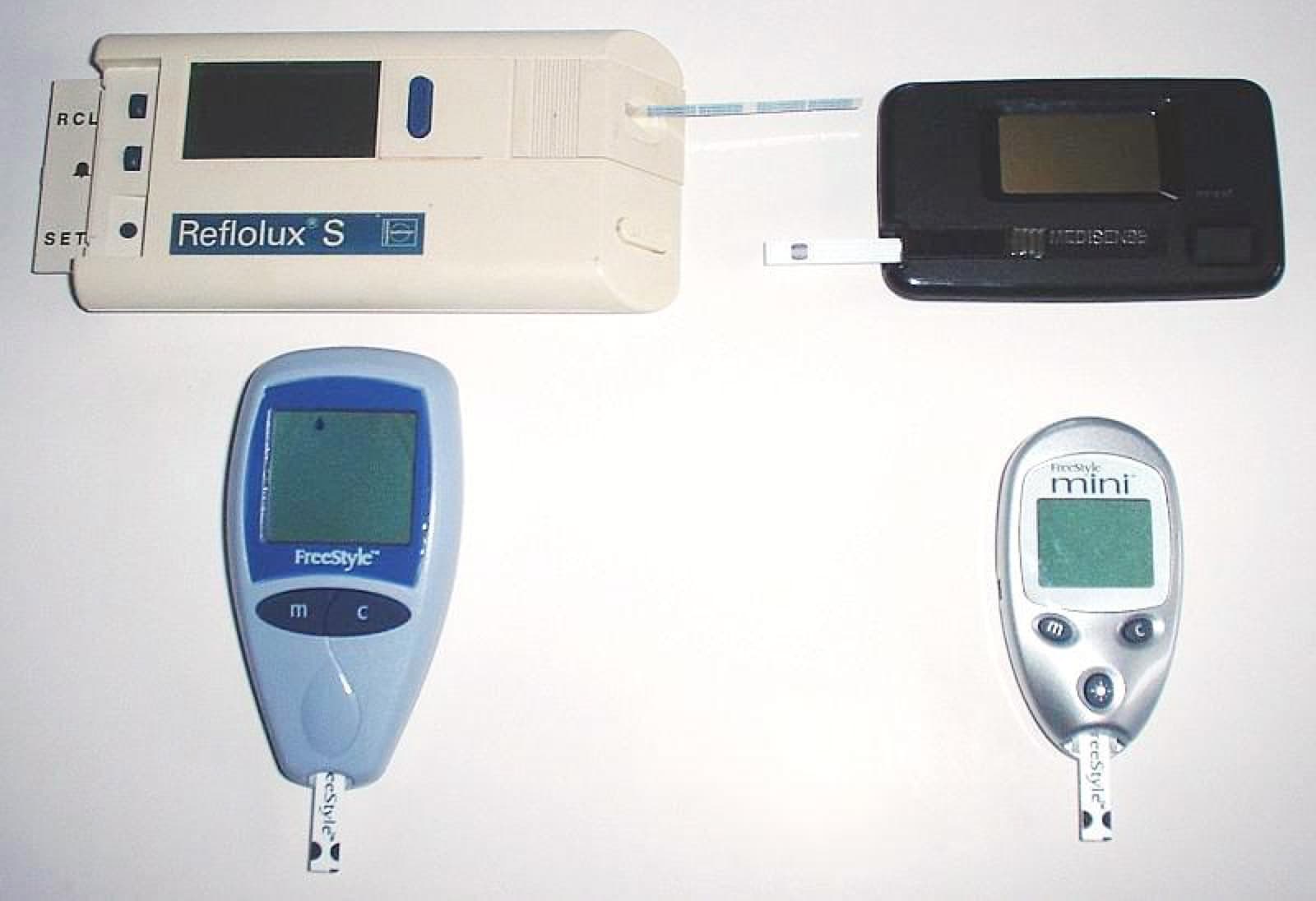
A finger-prick meter can help some people monitor a known condition, but it is not always suitable for diagnosing diabetes. Keep a copy of the laboratory result and ask what it means for you, what follow-up is needed and who to contact if symptoms worsen.
Food choices that fit Pakistani meals
There is no one meal plan that suits every person with diabetes. Familiar Pakistani foods can fit into an individual plan; a dietitian or clinician can help adapt portions and combinations to your health, budget, routine and preferences.
Small changes to a shared family meal may be easier to sustain than preparing a separate menu.
Think about how sweet drinks, portion sizes and frequent snacks fit with your personal glucose plan. Include vegetables and pulses and choose less processed foods when available, according to what suits your household. Water is generally a sensible everyday drink, but individual fluid needs can differ.
Avoid relying on claims that a particular spice, bitter drink or supplement cures diabetes. Tell your clinician about traditional remedies and supplements because they may interact with prescribed treatment or delay care.
Activity, sleep and realistic goals
Regular movement can support general health and glucose management, but it does not need to begin with a gym membership or intense exercise. Start at a level that feels safe and increase gradually.
Seek advice first if you have chest symptoms, significant foot problems, severe breathlessness, a recent illness or another condition that affects exercise. If you use glucose-lowering medicine that can cause low blood sugar, ask how to plan activity and meals safely.
Sleep, stress, work schedules and family responsibilities can affect how easy it is to follow a health plan. Instead of setting a vague goal such as ‘be healthier,’ discuss one specific step that fits your day—for example, a regular short walk after a meal if that is safe for you.
The best plan is one you can review and adapt with your care team. Progress is not a test of willpower, and one difficult week does not mean that your care has failed.
Medicines and glucose monitoring
Some people manage type 2 diabetes with lifestyle support and monitoring; many also need medicine, and some may eventually need insulin. A prescription depends on your health history, test results, other conditions, pregnancy plans, side effects, access and personal preferences.
Do not start, stop, share or change a dose of diabetes medicine based on a blog, a relative’s experience or one reading. If a medicine is expensive, unavailable or causing problems, tell the prescriber or pharmacist so they can discuss safe options.
Not everyone needs to check glucose at home in the same way or as often. Your care team can explain whether a meter is useful, what times to check, what range they want you to understand and what to do when a result is outside your personal plan.
Write down unusual readings together with meals, activity, illness and symptoms if requested. Bring the meter and its supplies to an appointment if you are unsure how to use it. Never delay urgent care because you are waiting for a home reading.
Follow-up protects more than blood sugar
Diabetes care includes checking for problems that may develop without obvious symptoms. Ask your clinician which of these checks are due for you. The timing can depend on your age, pregnancy, treatment and previous results. Keeping them in one written list can make appointments easier, especially when different services are involved.
- Blood pressure and cholesterol review
- Kidney tests
- An eye examination
- A foot check
Keeping useful notes between appointments
A short record can help you and your clinician notice patterns without expecting you to measure everything every day. Follow the checking schedule you have been given. If you monitor glucose, add the date and time and note anything relevant, such as a missed meal, a medicine change, an illness or an unusual activity.
Do not make a treatment decision from one number unless your care team has given you a personal plan for that situation.
Write down questions as they come up, including problems collecting a prescription, side effects, cost or difficulty following meal advice at work. These are part of medical care, not signs that you have failed.
If a new symptom is severe or rapidly worsening, contact a healthcare professional rather than waiting for your next scheduled check. Bring the record to your visit so the plan can be adjusted to your real routine.
Look after your feet
At home, check your feet regularly for cuts, blisters, redness or a wound that is slow to heal, particularly if you have reduced sensation. Use comfortable footwear and ask a professional about persistent pain, numbness, a change in skin colour or any wound.
Avoid cutting corns or treating a foot problem with harsh chemicals. Do not wait for a routine appointment if a foot is rapidly worsening or looks infected.
A simple checklist for your next appointment
Before a visit, write down when symptoms began and bring recent test results, your medicines and doses, allergies, supplements and any barriers that make your current plan difficult. If you check glucose at home, bring the meter or a dated record.
Ask whether you need to fast before a planned test; do not guess.
- What does this result mean, and do I need another test?
- Which follow-up checks are due, and when?
- Which symptoms mean I should seek urgent care?
- Is my medicine plan still right for me, and who should I contact between visits?
Illness, fasting and important life changes
Illness can change glucose levels and how medicines affect you. Ask your clinician for a written sick-day plan before you need one; it should cover your medicines, monitoring, suitable fluids and when to seek urgent help. Do not use a generic online sick-day rule for every medicine or person.
Fasting and major life changes can also affect diabetes management. Discuss a personal plan in advance with a healthcare professional who knows your medicines and health history. Some people may be advised not to fast or to break a fast if concerning symptoms occur.
Do not change medication timing or dose on your own. If you are pregnant or planning pregnancy, arrange a clinician conversation early.
Frequently asked questions
Does having diabetes in my family mean I will develop it?
No. A family history can increase your risk, but it does not mean you will definitely develop diabetes. Ask a healthcare professional whether screening makes sense for you and when to repeat it.
Do I have to stop eating roti or rice if I have diabetes?
Not necessarily. Many people can include familiar foods in an individualized eating plan. Portions, other foods in the meal, medicines and personal health all matter; a clinician or dietitian can help you find a realistic plan.
Can herbal remedies or supplements cure diabetes?
Do not rely on a remedy as a replacement for prescribed care. Evidence and product ingredients can vary, and some supplements interact with medicines. Tell your healthcare professional what you use before making changes.
Does everyone with type 2 diabetes need a glucose meter?
No single monitoring plan suits everyone. Ask your care team whether home testing is useful with your treatment, when to check and what action to take for an unusual result.
Sources and further reading
Have a question about which service to choose?
Request an appointment