Typhoid fever is a bacterial infection usually spread through food or water contaminated with the bacteria. It remains an important concern in Pakistan, where drug-resistant strains have been reported. Persistent fever should be medically assessed rather than treated with leftover antibiotics.
Quick answers
- How does typhoid spread?
- It usually spreads through food or water contaminated with the bacteria. Safe water, handwashing and food hygiene help reduce risk.
- Should I start antibiotics for a long-lasting fever?
- Get assessed first. Symptoms alone cannot confirm typhoid, and the right antibiotic depends on professional assessment and resistance patterns.
- Can vaccination help prevent typhoid?
- Typhoid vaccines can reduce risk. Ask a healthcare professional about the vaccine and schedule recommended for your family.
Symptoms that deserve attention
Typhoid can cause prolonged fever, tiredness, headache, stomach pain, nausea and constipation or diarrhoea. Symptoms alone cannot confirm typhoid. A clinician can decide whether testing is needed and which treatment is appropriate.
Why not to self-start antibiotics
Antibiotic resistance makes some infections harder to treat. Taking an antibiotic without assessment, using someone else’s medicine or stopping a prescribed course early can be harmful. Use antibiotics only when prescribed for you, and follow the prescriber’s instructions.
Reduce risk for your household
- Use safe drinking water; if safety is uncertain, follow trusted local public-health guidance for treatment or boiling.
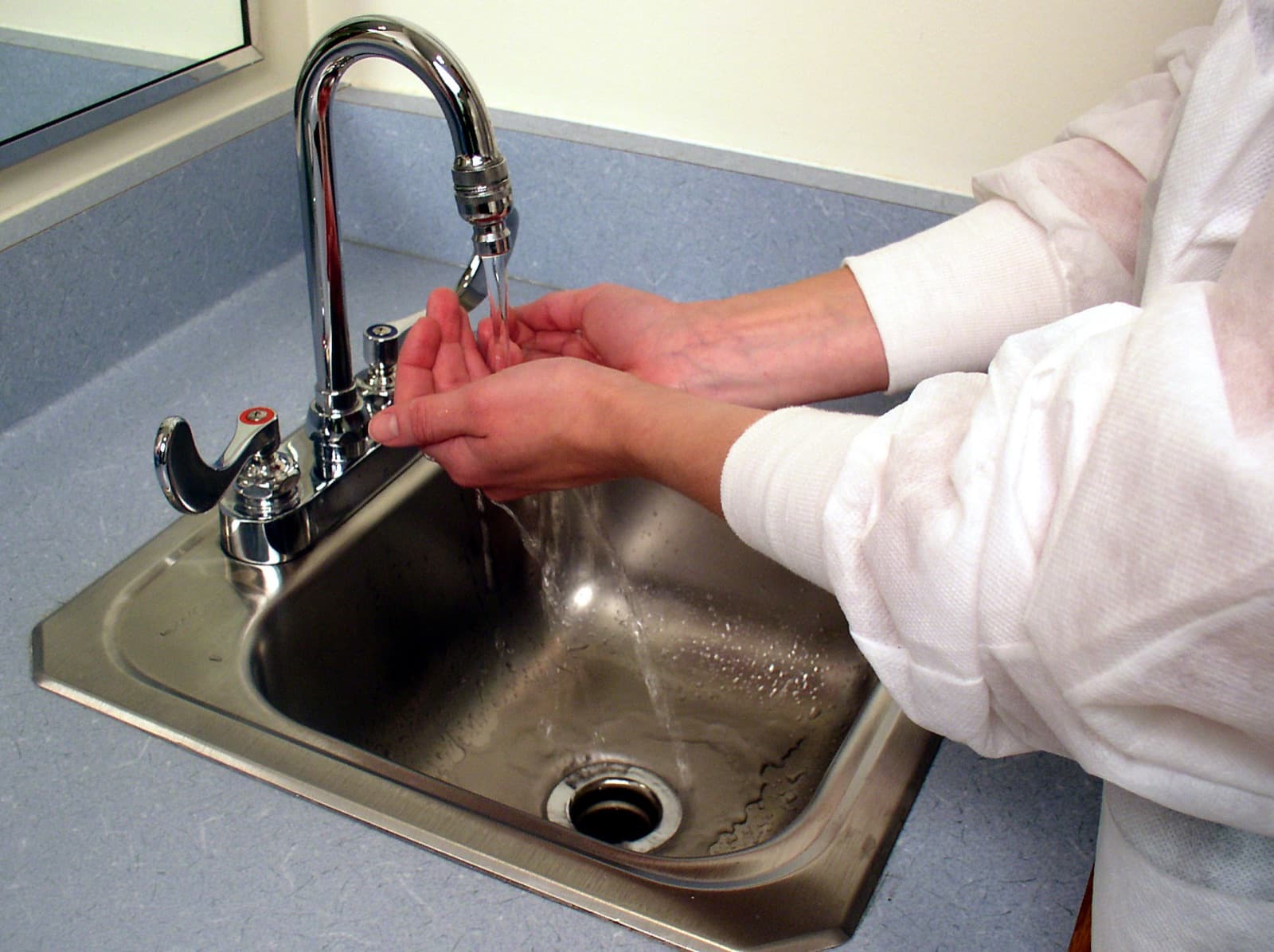
- Wash hands with soap after using the toilet and before preparing or eating food.
- Eat food that is properly cooked and served hot; wash produce with safe water.
- Ask a healthcare professional about typhoid vaccination and the recommended schedule for your family.
When to seek care
Arrange medical advice for persistent fever, especially in a child. Seek urgent care if the person becomes confused, very weak, severely dehydrated, develops severe abdominal pain or gets worse quickly.
How typhoid spreads
Typhoid fever is caused by Salmonella Typhi bacteria and spreads when food or water is contaminated with faeces from an infected person or carrier. Risk rises when drinking water, sanitation, food handling or handwashing systems are unsafe. The bacteria do not spread through a mosquito bite.
Good hygiene and safe water protect against several infections, but they cannot guarantee that a person will never become ill.
Typhoid remains an important public-health concern in Pakistan, and drug-resistant strains have been reported in the country. A past outbreak report is not a measure of current risk in your neighbourhood, but it shows why testing and appropriate antibiotic selection matter.
Do not use leftover antibiotics when you or a child develops fever. A clinician can consider typhoid alongside other causes, including dengue, malaria and other infections that may need different treatment.
Symptoms and when to ask for care
Symptoms vary from person to person and overlap with many other illnesses. A rash may not appear. Do not wait for every symptom or a particular number of fever days before asking for advice, especially for a young child, an older person or someone with a long-term condition. Typhoid may include:
Record when the fever began, temperatures if measured, fluid intake, urination, bowel symptoms and any medicines already taken. Mention travel, unsafe water exposure, sick contacts, vaccination history, pregnancy and allergies. Seek prompt assessment for a persistent fever, worsening abdominal symptoms or inability to drink.
Confusion, severe weakness, severe dehydration, fainting, blood in stool or rapidly worsening pain needs urgent attention.
- Persistent or gradually worsening fever
- Headache, weakness or unusual tiredness
- Stomach pain or reduced appetite
- Constipation or diarrhoea
- Nausea or cough
Why testing matters
A healthcare professional may recommend a blood culture or other tests depending on the illness, timing and what laboratories are available. Blood culture is commonly used to identify Salmonella Typhi and can help the team choose appropriate antibiotics.
Test yield may be affected by when a sample is taken and whether antibiotics have already been started. If possible, ask whether a sample should be collected before the first antibiotic dose; do not delay urgent treatment when a clinician says it should begin immediately.
Some rapid or serological tests are used in different settings, but a positive result does not always prove an active infection. CDC does not recommend the Widal test because of false positives.
Local laboratory practice can differ, so ask what test is being used, what its limits are and whether culture or follow-up is needed. A test result should be interpreted by a professional alongside symptoms and examination, not used to self-prescribe medicine.
Antibiotics and drug resistance
Antibiotics can treat typhoid, but the right medicine depends on the bacteria’s resistance pattern, the patient’s age and health, pregnancy, allergies and local guidance. Pakistan has experienced extensively drug-resistant typhoid, and resistance patterns can change. An antibiotic that helped someone else may not work for you and can cause side effects.
Taking antibiotics without assessment can also make later testing less informative and contribute to resistance in the community.
Use an antibiotic only when it is prescribed for the person who is ill. Follow the dose and duration on the prescription, and contact the prescriber if a dose is missed, vomiting occurs, a rash or breathing problem develops, or the person is not improving as expected.
Do not share tablets or save a few for the next fever. If the medicine is unavailable or unaffordable, tell the clinic promptly rather than substituting another drug. Do not stop early just because the fever has fallen unless the prescriber tells you to.
Safer drinking water at home
Use water from a source considered safe by local public-health authorities. If the safety of a supply is uncertain, follow current local instructions on treatment or boiling. To reduce contamination during storage and use:
If a public advisory reports contamination, use the specific instructions provided for your area and keep children from drinking untreated water. Bottled water is not automatically safe if the seal or source is unreliable. Ice, drinks prepared with unsafe water and raw foods washed in contaminated water can also expose people.
Ask a local health authority or water provider for guidance if your household supply changes colour, smell or taste, while remembering that harmful contamination is not always visible.
- Store treated water in a clean, covered container.
- Avoid dipping hands or an unwashed cup into stored water.
- Clean storage vessels regularly.
- Use a filter only if it is designed for the relevant contaminants and is installed and maintained correctly.
Food safety and handwashing
Everyday hygiene can lower exposure to contaminated food and water. When practical:
A person recovering from typhoid should follow their clinician’s advice about returning to food preparation, school or work. Some people can continue to carry and shed bacteria after feeling better, so follow-up tests or public-health instructions may be required in particular occupations or situations.
Do not assume that the end of fever means every public-health precaution can be stopped. If another household member develops a persistent fever, they need their own assessment rather than receiving the same prescription.
- Wash hands with soap after using the toilet or changing a child, and before preparing food, eating or feeding someone.
- Use safe water for handwashing and washing produce where possible.
- Keep raw food separate from cooked food.
- Cook food thoroughly and eat it hot where practical.
- Refrigerate leftovers promptly when possible and reheat them thoroughly.
- Choose freshly cooked street food served hot rather than food left uncovered for a long time.
Vaccination is one layer of prevention
Typhoid conjugate vaccines are recommended by WHO for use in priority settings and can reduce the risk of disease, but no vaccine protects every person from every infection. Availability, eligibility, schedule and the national programme may vary.
Ask a healthcare professional or vaccination service what is currently recommended for your child or household in Pakistan and whether a dose has already been recorded. Bring vaccination cards if you have them.
Vaccination complements safe water, sanitation and food hygiene; it does not make untreated water safe or replace handwashing. A vaccinated person who develops persistent fever still needs assessment. Do not buy or administer a vaccine from an uncertain source.
Ask about timing if the person is acutely ill, has a severe allergy history or has another health concern. The clinician can explain expected side effects and what symptoms after vaccination need medical advice.
Caring for someone who may have typhoid
Encourage rest and offer fluids in a way the person can tolerate, following the clinician’s advice. Monitor whether they can drink and pass urine, whether the fever or pain is changing and whether they become more drowsy. Use a separate clean cup and good handwashing practices.
Clean toilet and bathroom surfaces safely according to local guidance, and do not let an ill person prepare food for others until a clinician says it is appropriate.
Children can become dehydrated more quickly than adults. Seek prompt advice if a child refuses fluids, vomits repeatedly, has much less urine, is unusually sleepy or is getting worse. Do not force tablets or liquid into someone who is not fully awake.
If the person has confusion, severe weakness, collapse, severe abdominal swelling or bleeding, arrange emergency care. Take medicine packets, test reports, allergy information and a timeline of symptoms with you if this does not delay transport.
Prepare for a clinic visit
A little preparation can help the clinician assess a prolonged fever and plan testing. Bring or write down:
- When the fever began and how symptoms have changed
- Recent medicines, including any antibiotics already taken, plus allergies
- Previous illnesses, vaccination history and laboratory reports
- The child’s approximate weight and regular medicines, if the patient is a child
- Before leaving, confirm the medicine name, dose, timing and duration, and what to do if a dose is vomited or missed
- Confirm when follow-up is needed, who will review results and which signs need urgent review
- Request written water or food-safety instructions if there is a local advisory
Frequently asked questions
Does every prolonged fever mean typhoid?
No. Many infections can cause a prolonged fever. A clinician can assess the symptoms and decide which tests are appropriate; seek advice rather than assuming the cause.
Can I use an old typhoid prescription or share antibiotics?
No. The illness, resistance pattern and patient’s needs may differ, and the medicine may be ineffective or unsafe. Use antibiotics only when prescribed for the person who is ill.
Can someone spread typhoid after feeling better?
Some people may continue to shed the bacteria after symptoms improve. Follow any medical or public-health advice about follow-up, hygiene and food preparation.
Does typhoid vaccination remove the need for safe water?
No. Vaccination can reduce risk but does not prevent every case. Continue safe-water, handwashing and food-hygiene practices, and get persistent fever assessed even if vaccinated.
Sources and further reading
Have a question about which service to choose?
Request an appointment