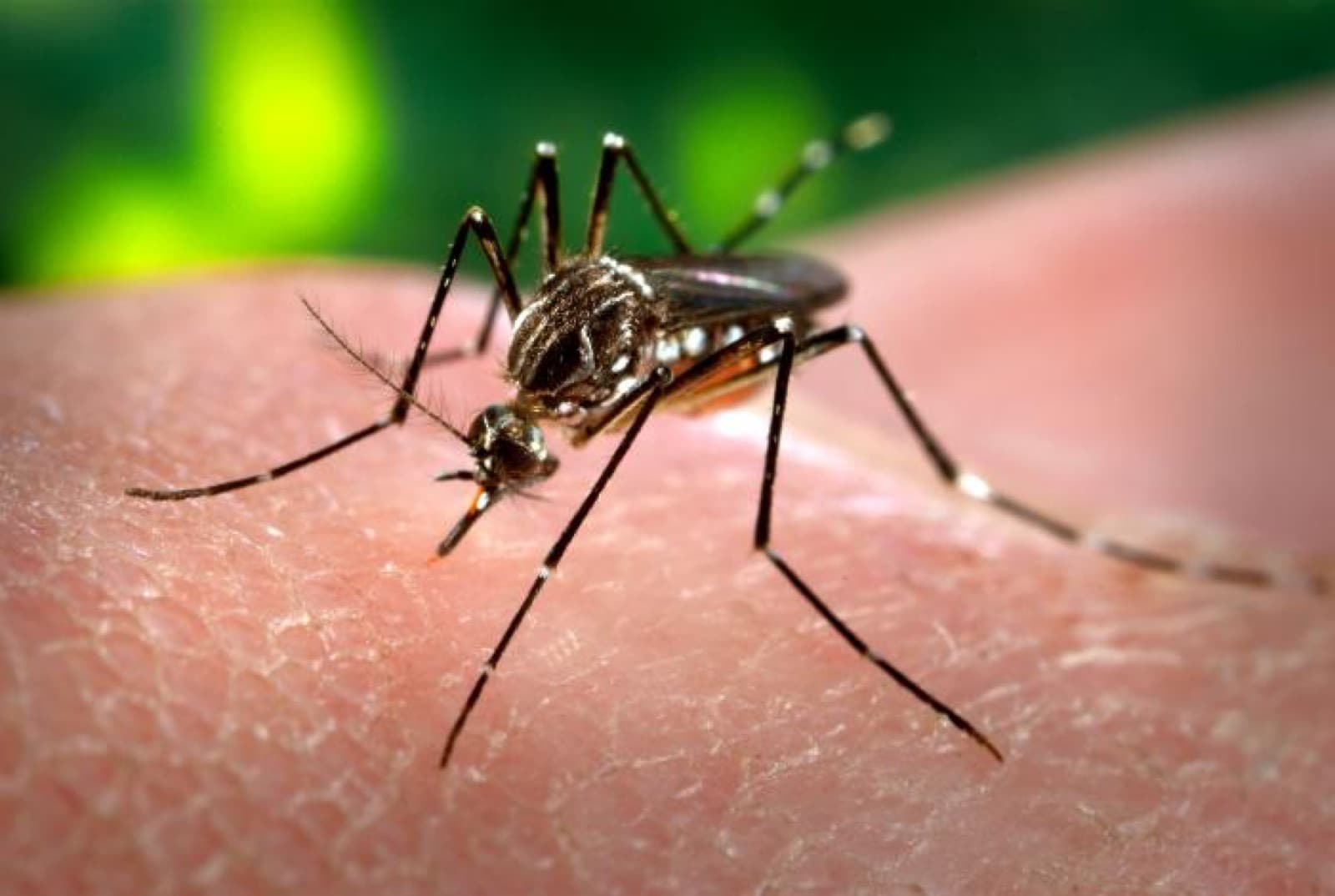
Dengue is a mosquito-borne viral infection. Fever, severe headache, pain behind the eyes, muscle or joint aches, nausea and rash can occur, but symptoms overlap with other illnesses. A clinician can assess symptoms and advise whether testing or follow-up is needed.
Quick answers
- What dengue warning signs need urgent care?
- Severe abdominal pain, repeated vomiting, bleeding, breathing difficulty, unusual drowsiness or sudden worsening need urgent medical assessment.
- Is it safe when the fever goes down?
- Not always. Serious warning signs can appear as fever settles, so continue follow-up and act on any new or worsening symptoms.
- Which pain medicines should I avoid if dengue is suspected?
- Ask a clinician or pharmacist. WHO advises avoiding aspirin and NSAIDs such as ibuprofen because they may increase bleeding risk.
Warning signs can appear as fever settles
Some people develop severe dengue. Warning signs may begin after the fever starts to improve, so do not assume recovery is complete just because the temperature is lower.
- Severe or persistent abdominal pain
- Repeated vomiting
- Bleeding from the nose or gums, or blood in vomit or stool
- Rapid or difficult breathing, marked restlessness, unusual drowsiness or cold, pale skin
What to do if dengue is suspected
Contact a healthcare professional for advice, especially for a child, an older adult, a pregnant person or anyone with a long-term condition. Seek urgent care for any warning sign.
Do not self-prescribe medicines; some common pain medicines can increase bleeding risk in dengue, so ask a clinician or pharmacist what is safe for you.
Reduce mosquito bites around the home
- Use window screens or a mosquito net where available.
- Wear clothing that covers arms and legs, especially when mosquitoes are active.
- Use an age-appropriate mosquito repellent according to its label.
- Empty, cover or regularly clean containers that collect standing water.
Why fever alone cannot confirm dengue
A fever during a rainy season can make people worry about dengue, but many infections can cause fever, headache, aches, nausea or rash. A mosquito bite is not proof of dengue, and some people with dengue have mild symptoms or none at all.
A clinician considers the timing of illness, travel and local transmission, examination and test results before advising what to do. Other illnesses may need different assessment and treatment:
Write down when the fever began, the highest measured temperature if available, medicines already taken, fluid intake, urination and any new symptoms. Mention pregnancy, a long-term condition, allergies and medicines such as blood thinners. This information helps the clinician make a plan.
Do not use leftover antibiotics or a neighbour’s prescription: antibiotics do not treat dengue virus and may cause harm or complicate the assessment of another illness.
What testing may involve
Dengue tests are chosen according to the day of illness and what is available locally. Some tests look for parts of the virus early in the illness; others look for the body’s antibody response later. A test result must be interpreted with symptoms and clinical findings.
If a test is negative very early, it may not settle the question, so the clinician may recommend observation, another test or review depending on the situation.
A blood count may be used to follow certain changes, but a single platelet number does not tell the whole story or replace clinical assessment. Do not try to manage dengue by comparing laboratory values with online charts.
Ask who will review results, when to return, and what symptoms mean you should go directly for urgent care. If the patient is a child or cannot describe symptoms clearly, a caregiver should keep a close record and share any change promptly.
The fever phase and the period after it
Many people with dengue recover with rest and supportive care, but the illness can change over several days. The temperature falling is not always a sign that all risk has passed.
Some warning signs of severe dengue can appear as fever settles, so keep following the clinician’s instructions even when the person seems cooler. Make sure someone knows how to reach medical help and can accompany the patient if they become weaker.
Follow-up advice depends on the patient’s symptoms, age, pregnancy status, other conditions, hydration and test results. Ask the clinic how often the patient should be checked and what changes to report.
If you were given a return appointment, do not skip it because the fever improved unless the care team changes the plan. Fatigue can continue after the acute illness; recovery is gradual for some people. Persistent, worsening or new symptoms still deserve medical review.
After the acute illness, energy may take time to return. Let the patient rest and resume school, work or exercise gradually as they feel better and in line with clinical advice. Avoid pressuring someone to return to strenuous activity while they remain weak or dizzy.
Arrange a review if fatigue is severe, symptoms return or the person is not recovering as expected. People with another medical condition may need individual advice about restarting their usual routine.
Monitor symptoms and follow clinical advice.
Warning signs can appear. Keep watching closely.
Continue follow-up as advised.
Hydration and medicines: avoid guessing
People with suspected dengue are often advised to rest and maintain fluids, but the right approach depends on age, vomiting, ability to drink and other health conditions. Offer small, regular sips if the person is awake and able to swallow, and follow the clinician’s advice about oral rehydration fluids.
A person with kidney or heart disease, pregnancy or another fluid restriction needs individualized guidance. Very little urine, inability to keep fluids down, increasing weakness or drowsiness should prompt urgent advice.
For fever or pain, ask a clinician or pharmacist which medicine is safe and what dose is appropriate for that specific person. WHO advises avoiding aspirin and non-steroidal anti-inflammatory medicines such as ibuprofen in dengue because of bleeding risk.
Check combination cold and pain products carefully with a professional, as they may contain more than one medicine. Do not give a child an adult product or exceed the label or prescription instructions. Avoid injections or self-treatment with steroids unless a clinician specifically prescribes them.
How to recognize warning signs
Dengue warning signs may appear as fever settles. Seek urgent medical assessment if any of these occur; do not wait for every sign or for a scheduled test if the person is getting worse.
- Severe or persistent abdominal pain
- Repeated vomiting
- Bleeding from the nose or gums, or blood in vomit or stool
- Rapid or difficult breathing
- Unusual drowsiness, restlessness or marked weakness
- Cold or pale skin, worsening thirst or inability to drink
- Call local emergency services or go to an emergency department for confusion, fainting, difficulty waking, severe breathing difficulty, heavy bleeding or collapse.
- Keep the person accompanied and cool while help is arranged.
- Do not give food, drink or tablets by mouth if the person is unconscious or very drowsy, because they may choke.
- Tell the medical team which medicines were taken and when, if you can do so without delaying care.
Protect the rest of the household
The mosquitoes that spread dengue commonly bite during the day and can live in and around homes. Protect a sick person from additional bites and reduce breeding places around the house. For bite prevention:
Community action matters: one clean courtyard cannot eliminate mosquitoes if standing water remains nearby. Report a suspected breeding site through the appropriate local service rather than handling chemicals without training.
- Use window screens and a net for daytime sleep where practical.
- Use a repellent suitable for the person’s age and health, following its label; ask a clinician or pharmacist before applying it to a young child.
- Cover exposed skin with light clothing when the weather allows.
- Once a week, inspect buckets, flower pots, tyres, roof drains and stored-water vessels; empty and scrub, cover or safely discard them.
- Keep stored water tightly covered and follow local public-health instructions for treatment.
Using repellents and household products safely
Mosquito repellents can reduce bites when used as directed. Read the product label for the correct age, application area, reapplication timing and precautions. Do not apply repellent to a child’s hands, eyes, mouth, irritated skin or under clothing.
An adult can apply it to their own hands first and then gently spread it over the child’s exposed skin if the label permits. Wash treated skin when protection is no longer needed and store the product away from children.
Coils, vaporizers and insecticides have specific instructions and should be used with ventilation and safety precautions. Never mix products or apply agricultural chemicals indoors. If someone develops coughing, dizziness, rash or breathing difficulty after exposure to a chemical, move them away from the source if safe and seek medical or poison-control guidance.
Household measures work best together with removing breeding sites and preventing bites, rather than relying on one spray or gadget.
Who may need earlier clinical advice
Contact a healthcare professional promptly if any of these circumstances apply. They may change how closely a patient should be observed. Do not wait until a high fever or a particular day of illness before asking for advice.
A person who has had dengue before may be at increased risk of severe illness in a later infection, but prior infection does not tell you what the current fever is. Share that history with the clinician.
If you are caring for someone alone, ask a family member or neighbour to check in and help arrange transport. Make the plan practical: know which clinic or emergency department to use, keep key phone numbers available, and bring identification and medicine information if you need to leave quickly.
Questions to ask at the clinic
Before leaving, repeat back the warning signs that require urgent care and the time of any planned follow-up. If the advice is unclear, ask for it in writing. The patient should not be left alone if they are getting weaker or more drowsy.
A well-organized home plan can reduce delays, but it cannot replace urgent assessment when warning signs or rapid deterioration occur.
- What diagnosis is being considered, and what else could cause these symptoms?
- Is testing needed today, when will results be ready, and who will explain them?
- What fluids and fever medicine are safe for this patient?
- How should each prescribed medicine be taken, and should any current medicines change?
- Which warning signs need urgent care, and when should follow-up happen?
Frequently asked questions
Can a low platelet count alone tell how severe dengue is?
No. A platelet result is only one part of an assessment and cannot replace symptoms, examination and clinical follow-up. Ask the treating clinician to explain the result and what changes need urgent care.
Should antibiotics be taken for dengue?
Antibiotics do not treat dengue because it is caused by a virus. A clinician may assess for another infection if symptoms suggest it; do not use leftover or shared antibiotics.
How should someone with suspected dengue stay hydrated?
Follow the clinician’s advice about fluids. Small, regular sips may be suitable for someone alert and able to drink, but vomiting, reduced urination, drowsiness or heart and kidney conditions call for prompt individualized advice.
Can dengue be diagnosed from symptoms alone?
No. Fever and aches can have many causes. A healthcare professional considers the illness timeline, examination and appropriate tests to decide what care and follow-up are needed.
Sources and further reading
Have a question about which service to choose?
Request an appointment